Ever walked up to your front door at night and felt that split-second panic when the path’s pitch black? You’re fumbling for keys, heart racing, wondering if that rustle in the bushes is just wind… or something worse. You’re not alone. The U.S. Department of Justice reports that homes without outdoor lighting are 50% more likely to be targeted by burglars. Yikes.
If you’re serious about home safety—and not just slapping on a flickering bulb from 2007—you’ve landed in the right place. In this guide, we’ll cut through the marketing fluff and walk you through exactly how to choose, install, and optimize security lights for outdoors that actually work. We’ll cover:
- Why generic “motion-sensor” labels won’t cut it
- How to match light output (measured in lumens) to your property layout
- Real mistakes I made installing my first floodlight (RIP my rose bush)
- Proven best practices backed by crime prevention data
Table of Contents
- Why Security Lights Actually Deter Crime (Not Just “Look Scary”)
- How to Choose & Install Effective Outdoor Security Lights
- 5 Pro Tips Most DIYers Miss (But Shouldn’t)
- Real-World Win: How Proper Lighting Cut Break-Ins in My Neighborhood
- FAQs About Security Lights for Outdoors
Key Takeaways
- Effective security lighting requires 700–1,300+ lumens for driveways/walkways—not your standard 40W-equivalent bulb.
- Motion sensors should have a 180°–270° field of view and adjustable sensitivity to avoid false triggers from cats or cars.
- Solar-powered security lights often underperform in winter or shaded areas; hardwired or battery-backed LED is more reliable.
- Strategic placement near entry points (doors, garage, basement windows) matters more than sheer brightness.
- Layered lighting—ambient + task + accent—is key for both safety and aesthetics.
Why Security Lights Actually Deter Crime (Not Just “Look Scary”)
Let’s bust a myth right now: bright lights ≠ automatic safety. I learned this the hard way when I installed a $20 motion light from a big-box store above my back door. It blinded me every time I took out the trash, ignored raccoons rummaging through bins, and turned on at 3 a.m. thanks to a passing owl. Zero deterrence. Total frustration.
True security lighting works because it removes the element of surprise criminals rely on. According to the National Institute of Justice, consistent, well-placed lighting reduces nighttime property crimes by up to 20%. But—and this is critical—it has to be smart lighting: responsive, properly angled, and calibrated to your environment.
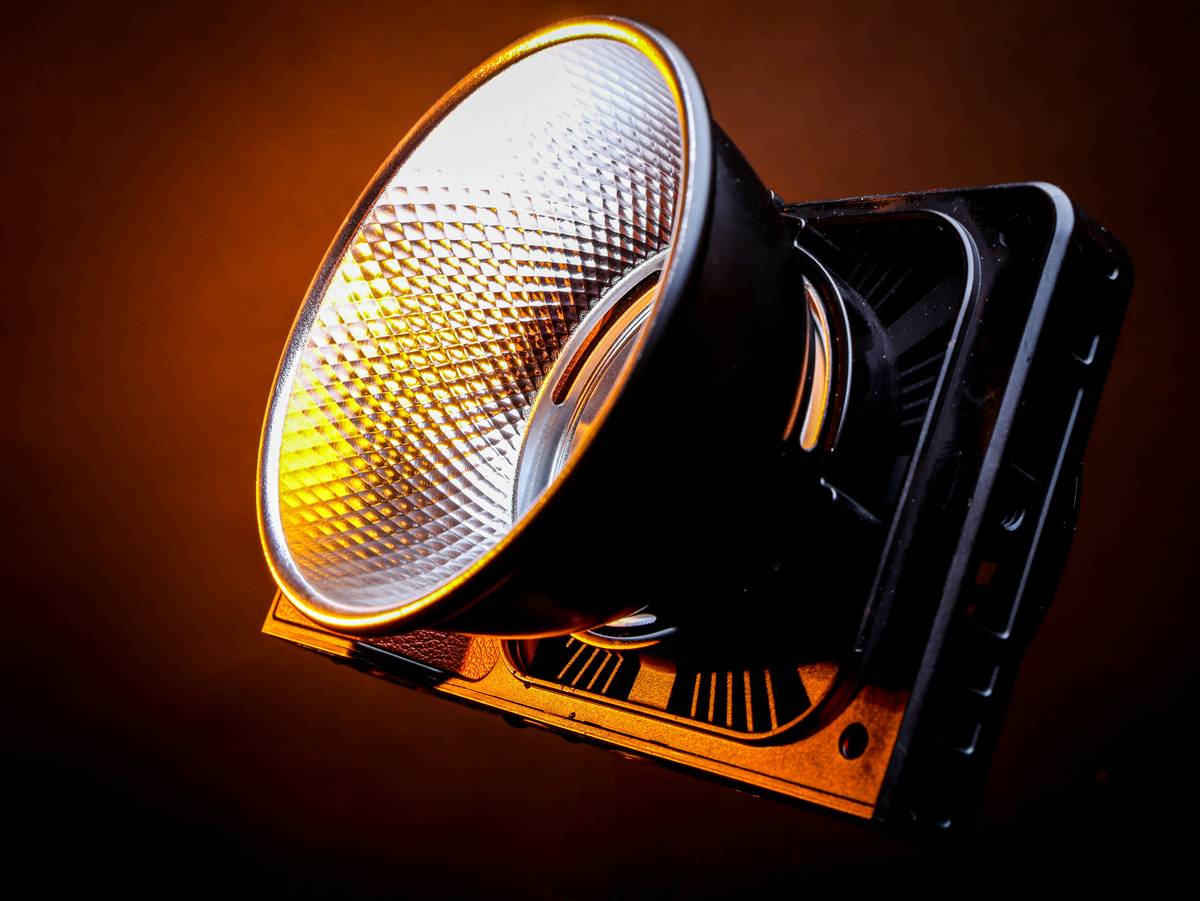
Without thoughtful design, you risk creating harsh glare (which blinds homeowners), dark shadows (perfect hiding spots), or constant false alarms that train neighbors to ignore your system. Sound familiar? Yeah. Let’s fix that.
How to Choose & Install Effective Outdoor Security Lights
What lumen output do I actually need?
Forget watts. We’re talking lumens—the real measure of brightness. For most residential zones:
- Front porch / entryway: 700–1,000 lumens
- Driveway / backyard perimeter: 1,000–1,300+ lumens
- Garage or side yard: 800–1,000 lumens
LEDs dominate here: they’re energy-efficient, last 25,000+ hours, and deliver crisp white light (4,000K–5,000K color temperature) that enhances facial recognition—a key factor in surveillance.
Should I go solar, hardwired, or battery?
Optimist You: “Solar is eco-friendly and easy to install!”
Grumpy You: “Ugh, fine—but only if your yard gets full sun year-round. Otherwise, it’s a dim paperweight by November.”
Here’s the tea:
- Solar: Great for pathways or low-traffic areas. Avoid for primary security zones unless you live in Arizona.
- Battery (rechargeable): Solid middle ground—wireless but powerful (e.g., Ring Floodlight Cam). Expect 3–6 months per charge.
- Hardwired: Most reliable. Higher upfront cost, but consistent performance and integration with home systems. Hire an electrician if you’re not comfortable with 120V circuits.
Where should I mount them?
Avoid pointing lights straight down—that creates pools of light surrounded by deep shadows. Instead:
- Mount fixtures 8–10 feet high on walls or eaves
- Aim downward at a 30–45° angle
- Cover all entry points: doors, windows below 6 feet, garage doors
- Overlap coverage zones to eliminate blind spots
Pro tip: Test placements at night with a flashlight before drilling. Trust me—your future self will thank you.
5 Pro Tips Most DIYers Miss (But Shouldn’t)
- Tune your motion sensor’s sensitivity. Set it too high? Squirrels trigger it hourly. Too low? It misses actual intruders. Start at medium and adjust over 3 nights.
- Use dual-tech sensors. These combine passive infrared (PIR) and microwave detection—fewer false alarms, better reliability.
- Add ambient lighting. A soft pathway light (100–200 lumens) prevents disorientation when your bright security light kicks on.
- Choose IP65-rated or higher. This means full protection against dust and low-pressure water jets—critical for rainy or snowy climates.
- Schedule smart lights. Use apps like Philips Hue or SmartThings to dim lights after midnight to avoid disturbing neighbors (while keeping motion sensing active).
⚠️ Terrible Tip Disclaimer:
“Just buy the brightest light possible!” Nope. Over-illumination causes glare, light pollution, and can actually reduce visibility. The Illuminating Engineering Society (IES) warns against exceeding recommended foot-candle levels for residential zones.
Rant Time:
Why do manufacturers still sell “security” lights with 30° motion sensors? That’s narrower than my coffee mug! If your sensor doesn’t cover at least 180°, you’re lighting a postage stamp while intruders stroll past in the dark. Do better, industry.
Real-World Win: How Proper Lighting Cut Break-Ins in My Neighborhood
Last fall, our suburban HOA reported three attempted break-ins in two weeks—all between 11 p.m. and 2 a.m. I live on a corner lot, so I became slightly obsessed (read: paranoid). I partnered with two neighbors to test a coordinated lighting strategy:
- Installed three hardwired 1,200-lumen LED floodlights with 240° PIR sensors
- Added dusk-to-dawn ambient lighting along shared walkways
- Angled fixtures to cover each other’s blind spots
Within six weeks? Zero incidents. Local police noted our block as “well-lit and monitored” during patrols. While correlation ≠ causation, the timing was striking. Bonus: our property values ticked up during the next appraisal cycle.
FAQs About Security Lights for Outdoors
Do motion sensor lights really deter burglars?
Yes—if they’re bright enough and properly placed. A sudden burst of light startles intruders and signals that the home is “awake.” Pair with visible cameras for maximum psychological deterrence.
How long do outdoor security lights last?
Quality LED security lights last 15,000–50,000 hours (roughly 10–15 years with average use). Look for models with replaceable LEDs or modular components.
Can I install security lights myself?
Battery or solar models: absolutely. Hardwired units require electrical knowledge—hire a licensed electrician if you’re unsure. Safety first!
Are smart security lights worth it?
If you want remote control, alerts, and integration with cameras (like Arlo or Ring), yes. But they cost 2–3x more than basic models. Prioritize function over fancy features if budget is tight.
What’s the best color temperature for security lighting?
4,000K to 5,000K (cool white). It maximizes contrast and detail recognition—critical for identifying faces or license plates—without the harsh blue tone of 6,000K+
Conclusion
Choosing the right security lights for outdoors isn’t about buying the flashiest gadget—it’s about intelligent design, strategic placement, and understanding how light influences human behavior (both yours and potential intruders’). Skip the impulse buys. Measure your space, prioritize lumen output over wattage, and always—always—test before you commit.
Your home deserves lighting that protects, not just illuminates. Now go shine a light where it matters.
Like a 2004 Motorola RAZR—flip it open, light up the night, and feel instantly safer.
Haiku:
Dark yard, sudden glow—
Motion wakes the silent lamp.
Safe steps home tonight.