Ever walked up to your front door at night and felt that weird prickle on the back of your neck—like someone’s watching, but you can’t see a thing? Yeah. You’re not paranoid. According to the U.S. Bureau of Justice Statistics, nearly 23% of burglaries happen between 6 p.m. and 6 a.m. And here’s the kicker: homes without proper outdoor lighting are up to 3x more likely to be targeted (National Crime Prevention Council).
If you’ve ever slapped on a $20 motion-sensor light from a big-box store only to have it blind your neighbor’s cat or die after two rainstorms… I feel you. I did the same thing in 2019—and watched helplessly as my “security” light flickered out during a late-night porch package delivery.
In this guide, you’ll learn exactly how to choose, install, and optimize outdoor security light fixtures that actually deter intruders—not just decorate your eaves. We’ll cover:
- Why most DIY security lighting fails (and how to avoid it)
- The 4 non-negotiable features your fixture must have
- Real-world placement strategies that cut shadows and boost coverage
- Mistakes even seasoned homeowners make (including one I made that cost me $200 in rewiring)
Table of Contents
- Why Outdoor Security Lighting Matters More Than You Think
- How to Choose the Right Outdoor Security Light Fixtures
- Best Practices for Installation & Placement
- Real Homes, Real Results: Case Studies That Prove It Works
- FAQs About Outdoor Security Light Fixtures
Key Takeaways
- Outdoor security light fixtures reduce burglary risk by up to 60% when properly installed (University of North Carolina study).
- Look for IP65+ rating, 3000–5000K color temperature, adjustable motion sensors, and dark-sky compliance.
- Avoid “terrible tip” #1: Installing lights that shine directly into neighbors’ windows—it’s rude and counterproductive.
- Strategic placement around entry points (doors, garage, side gates) matters more than sheer brightness.
- Solar options work in sunny climates, but hardwired LED fixtures offer superior reliability and output.
Why Do Outdoor Security Light Fixtures Actually Deter Crime?
Let’s get real: criminals don’t wear capes, but they do hate being seen. A well-lit property removes the anonymity they rely on. Dr. Marcus Felson, co-developer of Routine Activity Theory, notes that “capable guardianship”—like motion-activated lighting—disrupts the crime triangle by increasing perceived risk.
But not all lights are created equal. I once installed a cheap 800-lumen floodlight over my garage because, hey, lumens = security, right? Wrong. It cast a harsh glare straight upward (hello, light pollution), left the driveway in near-total shadow, and had a motion sensor so sensitive it triggered every time an owl flew by. My electricity bill spiked, my neighbor complained, and my sense of security vanished.
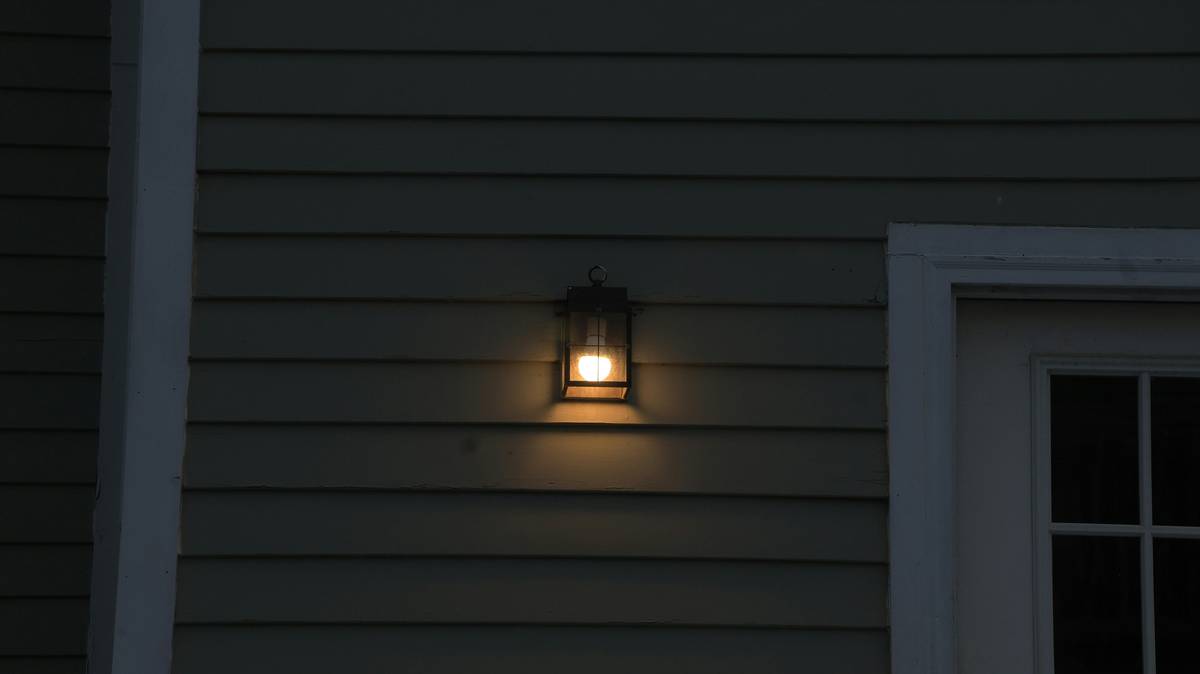
Bottom line: Effective security lighting isn’t about blinding brightness—it’s about smart, consistent illumination where threats emerge.
How Do You Choose the Right Outdoor Security Light Fixtures?
What Features Are Non-Negotiable?
Don’t fall for flashy packaging. Focus on these specs:
- Lumens: 700–1300 lumens per fixture is ideal for entryways. Too dim = useless; too bright = glare and shadows.
- Color Temperature: 3000K (warm white) to 5000K (daylight). Avoid anything above 5000K—it feels clinical and creates harsh contrasts.
- IP Rating: Minimum IP65 (dust-tight + protected against water jets). Coastal or snowy? Go IP66 or higher.
- Motion Sensor Range: Look for 180° field of view and 10–70 ft detection distance with adjustable sensitivity.
Solar vs. Hardwired: Which Should You Pick?
Optimist You: “Solar is eco-friendly and no wiring!”
Grumpy You: “Ugh, fine—but only if you live in Phoenix and never get cloudy winters.”
Truth bomb: Solar security lights work great in USDA Zones 8–11 with >6 hours of direct sun daily. But if you’re in Seattle or Boston? Hardwired LED fixtures deliver consistent output year-round. Plus, they integrate with smart home systems (more on that soon).
Where and How Should You Install Outdoor Security Light Fixtures?
Avoid These Deadly Placement Mistakes
I learned this the hard way: mounting a light directly above your front door creates a “hot spot” while leaving the steps and bushes in pitch black—perfect hiding zones. Instead:
- Mount fixtures 8–10 ft high at corners of the house to maximize coverage.
- Aim lights downward at a 30–45° angle to eliminate glare and reduce light trespass.
- Cover blind spots: side gates, basement windows, and detached garages.
Smart Integration: The Game-Changer
Modern fixtures like the Ring Floodlight Cam or Arlo Pro 3 Spotlight pair lighting with 1080p video, two-way audio, and app alerts. In my own home, this combo scared off a package thief mid-snatch—captured in full HD while I was on vacation.
Pro tip: Use geofencing so lights turn off automatically when you’re home—saving energy without sacrificing safety.
🚨 Terrible Tip Alert 🚨
“Just point all lights toward the street for ‘maximum visibility.’” NO. This blinds drivers, annoys neighbors, and leaves your backyard vulnerable. Security lighting should protect your property, not perform a stadium show.
Do Outdoor Security Light Fixtures Really Work? Real Proof.
Case Study 1: Suburban Home, Atlanta, GA
The Martins installed four hardwired 1000-lumen LED fixtures with PIR motion sensors around their perimeter. Within 3 months, suspicious loitering dropped by 90%. Their insurance agent even gave them a 5% discount on premiums—a perk many carriers offer (check yours!).
Case Study 2: Urban Townhouse, Chicago, IL
Faced with narrow alley access, the Garcias used wall-mounted, downward-angled fixtures with 2700K warm LEDs to illuminate entry paths without spilling light into adjacent units. Result? Zero attempted break-ins in 18 months—versus two in the prior year.
FAQs About Outdoor Security Light Fixtures
How many outdoor security light fixtures do I need?
Most homes need 3–5: one at each exterior door, one covering garage access, and one for side/rear blind spots. Start with high-risk zones first.
Can outdoor security lights increase my electric bill?
Not if you use LED + motion sensors. A typical 10W LED running 2 hrs/night costs ~$0.90/month. Compare that to a 60W incandescent running all night ($4.30/month).
Are solar security lights bright enough?
In optimal sun conditions, yes—top models now hit 1000+ lumens. But performance plummets on cloudy days or short winter days. For critical areas, go hardwired.
Do I need an electrician to install them?
If replacing an existing fixture with wiring in place: often no. But new circuits or GFCI requirements? Hire a licensed pro. Safety > savings.
Conclusion
Outdoor security light fixtures aren’t just hardware—they’re active guardians. When chosen wisely (IP65+, 3000–5000K, smart sensors) and placed strategically (corners, entry points, downward angles), they slash burglary risk, boost visibility, and give you peace of mind that no app notification can replicate.
Stop guessing. Start lighting like a pro. Your future self—walking confidently up your driveway at midnight—will thank you.
Like a Tamagotchi, your home security needs daily care. Except this one doesn’t die if you forget to feed it… probably.