Break-ins don’t knock. They exploit shadows, blind spots, and hesitation. Most homeowners install lights that look tough—but do nothing when it counts. Motion sensors that trigger too late. Fixtures that burn out after one winter. You’re not just buying light—you’re buying time. That’s where smart, properly installed outdoor security led lights change the game.
Why Traditional Security Lighting Fails Miserably
Motion-sensing floodlights wired to old halogen bulbs? They’re theater—not defense. They blast light after someone’s already on your porch. And those solar path lights lining your driveway? Cute decor. Zero deterrence.
The real issue isn’t brightness—it’s intelligence. Legacy systems react too slowly or stay on all night, blinding neighbors and wasting energy. Worse, cheap fixtures corrode in humidity, leaving you dark exactly when you need light most.
How to Install Outdoor Security LED Lights That Actually Work
Forget “just screw it in.” Real security lighting requires layered strategy—placement, tech specs, and timing synced to human behavior, not just voltage.
Step 1: Audit Your Vulnerability Zones
Walk your property at night. Where do shadows pool? Garage corners. Side gates. Back patios. These are ambush points. Prioritize them over front-yard aesthetics.
Step 2: Choose the Right Lumen-to-Watt Ratio
Not all LEDs are equal. A 10W bulb claiming “2000 lumens” often peaks at 1200 after six months. Look for LM-79 certified output—and demand a 50,000-hour rated lifespan. Anything less is false economy.
Step 3: Go Beyond Basic Motion Sensors
Dual-tech sensors (PIR + microwave) cut false alarms from swaying branches. Better yet—integrate with smart hubs that send alerts to your phone *before* triggering full brightness. Early warning matters more than blinding glare.
Step 4: Hardwire Where It Counts
Solar sounds green—but cloudy weeks kill reliability. For entry points (doors, garages), hardwired circuits with battery backup deliver 24/7 readiness. Save solar for secondary zones like garden sheds.
| Installation Type | Average Cost (per fixture) | Reliability Score (1-10) | Best Use Case |
|---|---|---|---|
| Hardwired LED + Dual Sensor | $85–$150 | 9.5 | Main entrances, garage, alley access |
| Smart Wi-Fi Integrated | $120–$200 | 8.7 | Homes with existing smart security systems |
| Solar-Powered LED | $35–$70 | 5.2 | Low-risk perimeter, decorative accents |
The Industry Secret: Light Angles Trump Raw Power
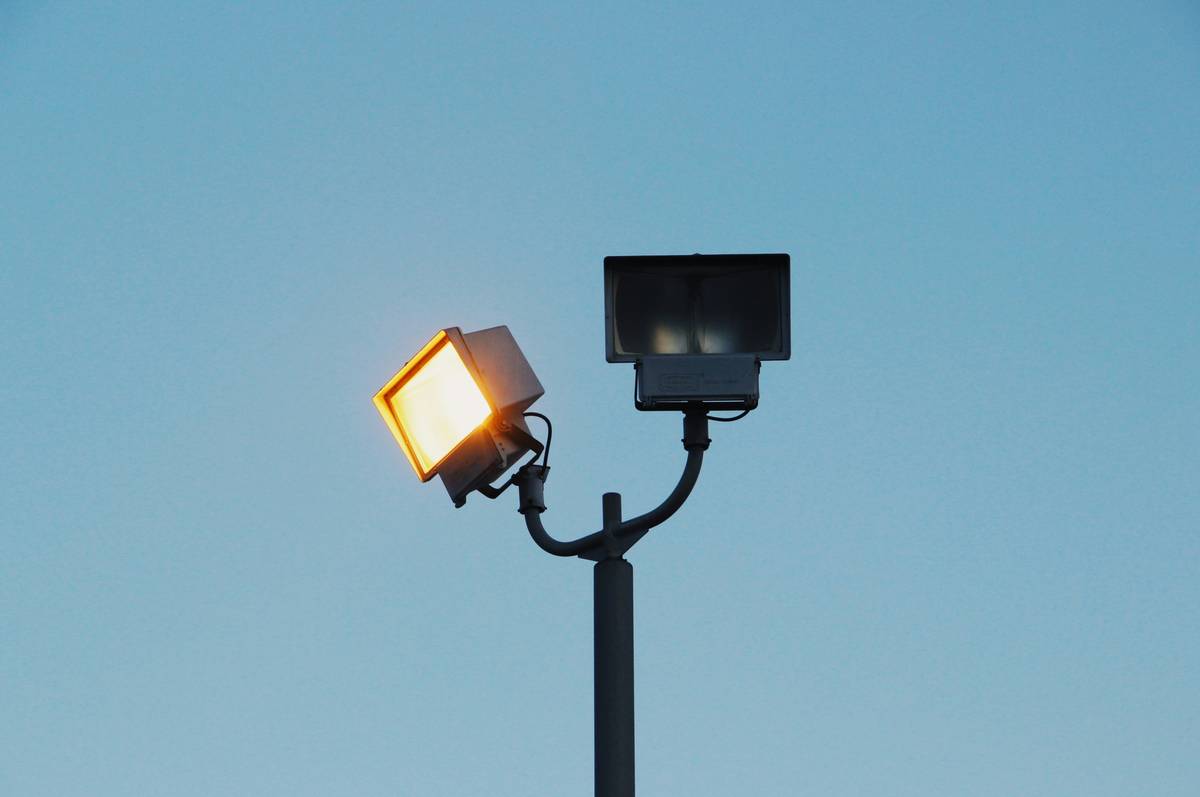
Here’s what electricians won’t tell you—brightness alone invites adaptation. Intruders wear caps, move low, or wait for lights to shut off. The fix? Strategic angling. Mount fixtures high but tilted downward at 15 degrees. This floods walkways without creating silhouettes under eaves. And add a second low-level light aimed upward along walls—it eliminates vertical blind spots cameras miss. The math is simple: coverage > intensity. A 1500-lumen light placed smartly deters more than a 3000-lumen spotlight pointed wrong.
Frequently Asked Questions
Do outdoor security LED lights really reduce break-ins?
Yes—if properly positioned. Studies show homes with active motion-triggered lighting see up to 63% fewer attempted entries. But only when lights cover approach paths, not just facades.
How long do quality outdoor security LED lights last?
Reputable brands with IP65+ ratings and thermal management last 7–10 years. Cheap models fail in 18 months due to moisture ingress and driver burnout.
Can I install them myself or hire an electrician?
For plug-in or solar units—DIY is fine. But hardwired 120V installations near wet zones (e.g., soffits, decks) require licensed work. One miswired junction risks fire or electrocution.