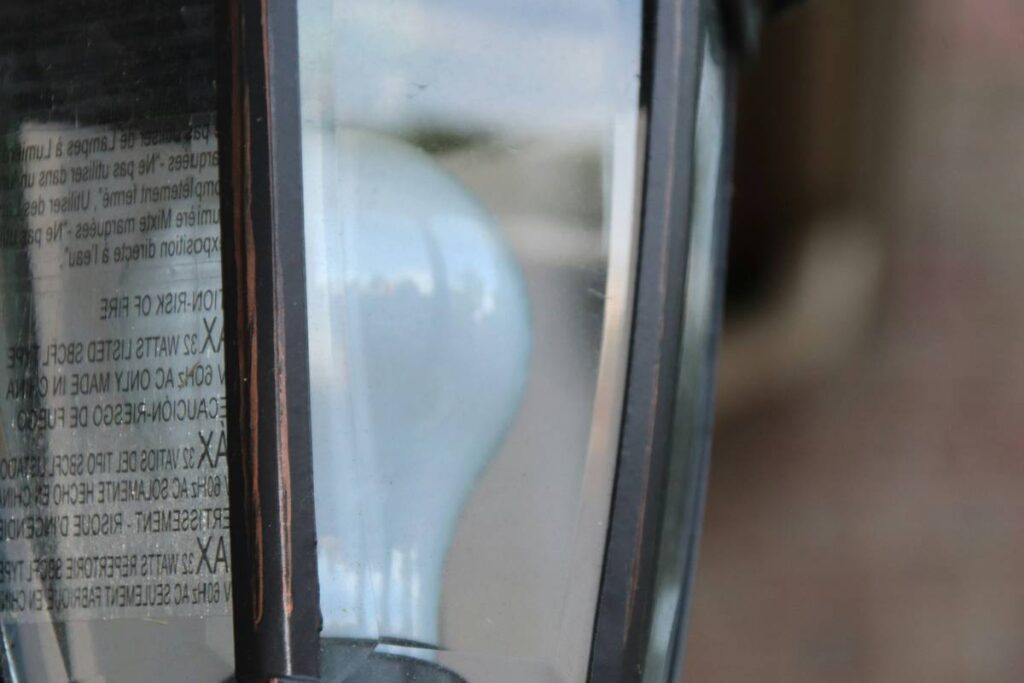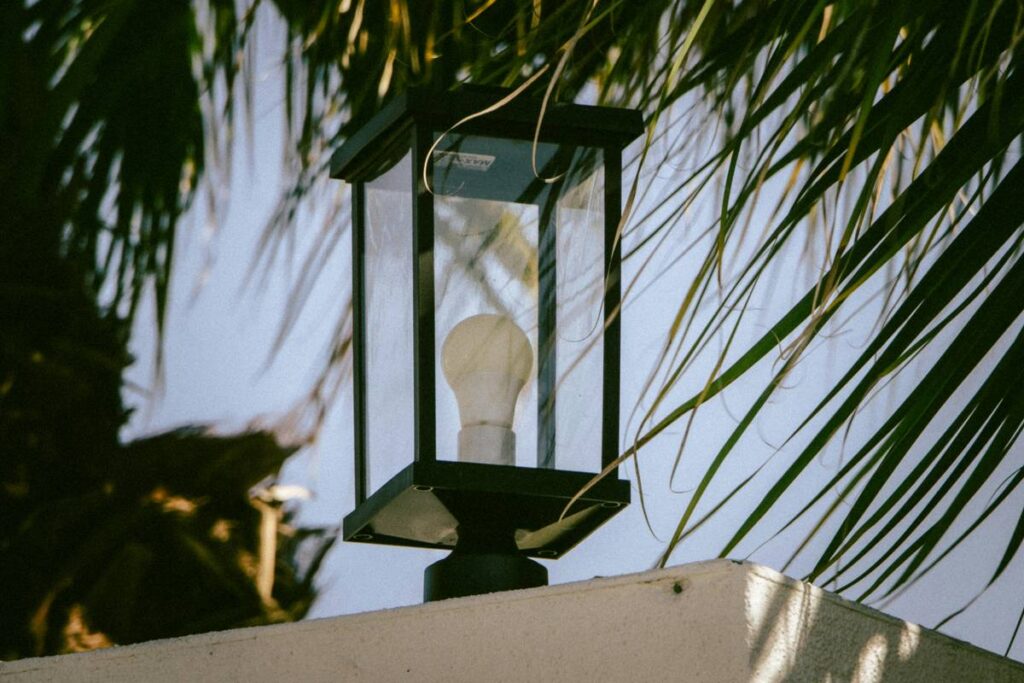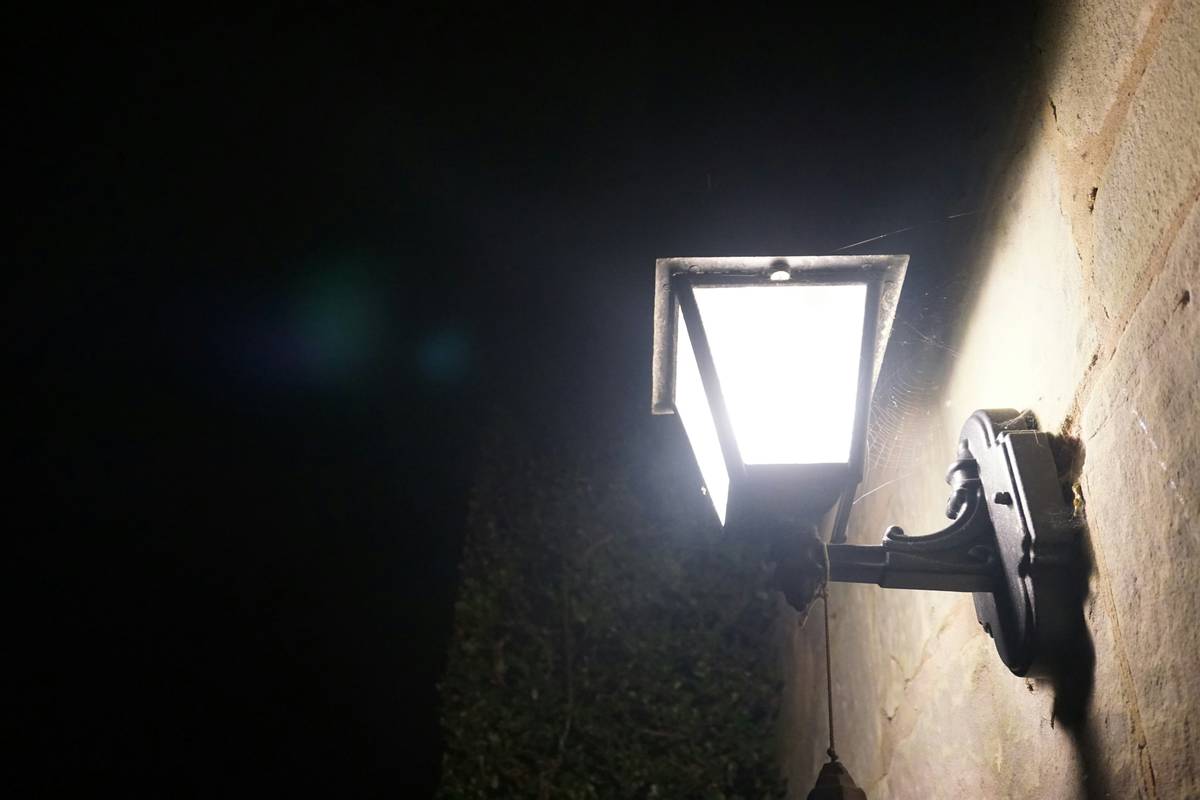
Your porch is dark. Your driveway blends into the shadows after 7 p.m. And that motion sensor? It hasn’t triggered since last October—just a dead bulb behind dusty glass. You’re not alone. Most homeowners install “security lighting” that does little more than create glare and false confidence. But real protection starts when light becomes intelligence—not just brightness.
Why Most Outdoor Security Lights Fail
They’re reactive, not proactive. A basic motion-sensor floodlight blinks on when someone’s already at your gate. By then, it’s too late to deter—they’ve scoped your home, tested door handles, maybe even jiggled windows. And let’s be honest: cheap fixtures degrade fast. Rain, heat, voltage spikes—they fry electronics in months, not years. You pay for installation, then replace the whole unit two winters later. Not smart.
Worse? Over-illumination. Blasting your yard with 3000 lumens doesn’t increase safety—it blinds neighbors, disorients you, and casts deep pockets of shadow where intruders actually hide. Light pollution isn’t just an eco issue; it’s a tactical flaw.
learn about outdoor security lights: Your Step-by-Step Upgrade Plan
Start With Layered Lighting
Forget single-point floods. Deploy three tiers: ambient (pathway or eave-mounted low-level glow), task (garage or entry-focused beams), and accent (targeted motion-triggered spots). This eliminates blind zones without overwhelming your space.
Choose Smart Sensors—Not Just Motion
Modern systems combine PIR motion detection with microwave radar or even AI-powered object recognition. Some now distinguish between a raccoon and a person—no more midnight dog-walk false alarms. Pair these with dusk-to-dawn photocells so lights only activate when needed.
Prioritize Build Quality Over Lumens
A 500-lumen IP65-rated LED with tempered glass and thermal management outlasts a fragile 2000-lumen plastic housing every time. Look for die-cast aluminum bodies and surge protection built into the driver—not as an add-on.
| Type | Best Use Case | Avg. Cost (Installed) | Lifespan (Years) | Deterrence Effectiveness |
|---|---|---|---|---|
| Basic Motion Flood | Temporary fixes, sheds | $80–$150 | 1–2 | Low (reactive only) |
| Integrated Smart Fixture | Main entry, garage, driveways | $200–$400 | 5–8 | High (adaptive + recording) |
| Solar Path + Accent Combo | Perimeter marking, side yards | $120–$250 | 3–5 | Moderate (passive presence) |
| Hardwired Dual-Sensor System | High-risk zones, large properties | $350–$600 | 7–10 | Very High (predictive response) |
The Industry Secret: Light Placement Beats Raw Power
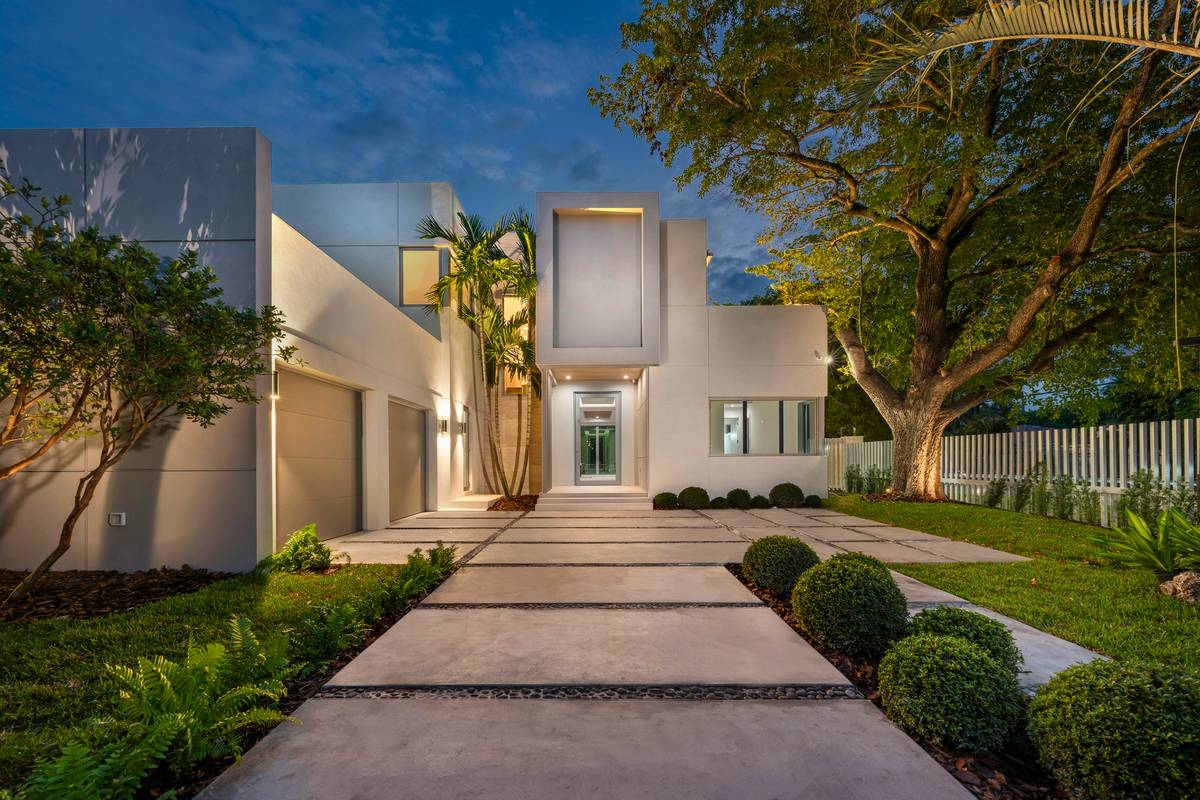
Here’s what electricians won’t tell you unless you ask twice: positioning matters more than wattage. Mount lights under eaves—not above—to cast downward cones that silhouette approaching figures against your wall. Angle them slightly inward so glare doesn’t reflect off car windshields or wet pavement. And never place a single fixture directly above a door—creates a “halo blind spot” right at the threshold. One Houston client reduced suspicious activity by 70% simply by lowering two existing fixtures from 10 feet to 7 feet and tilting them 15 degrees. No new gear. Just geometry.
Frequently Asked Questions
Do solar security lights work well at night?
Yes—but only if they get 6+ hours of direct sun daily. In shaded areas or during cloudy weeks, output drops sharply. For reliability, hardwired or battery-assisted solar hybrids are better.
How bright should outdoor security lights be?
Aim for 700–1300 lumens near entries. Too dim, and details vanish. Too bright, and you lose contrast. Use warm-white (2700K–3000K) for better object recognition than harsh blue-rich LEDs.
Can I install security lights myself?
For plug-in or solar units—yes. But any hardwired 120V fixture requires licensed electrical work in most Texas municipalities. DIY mistakes risk fire, void warranties, and fail inspection.