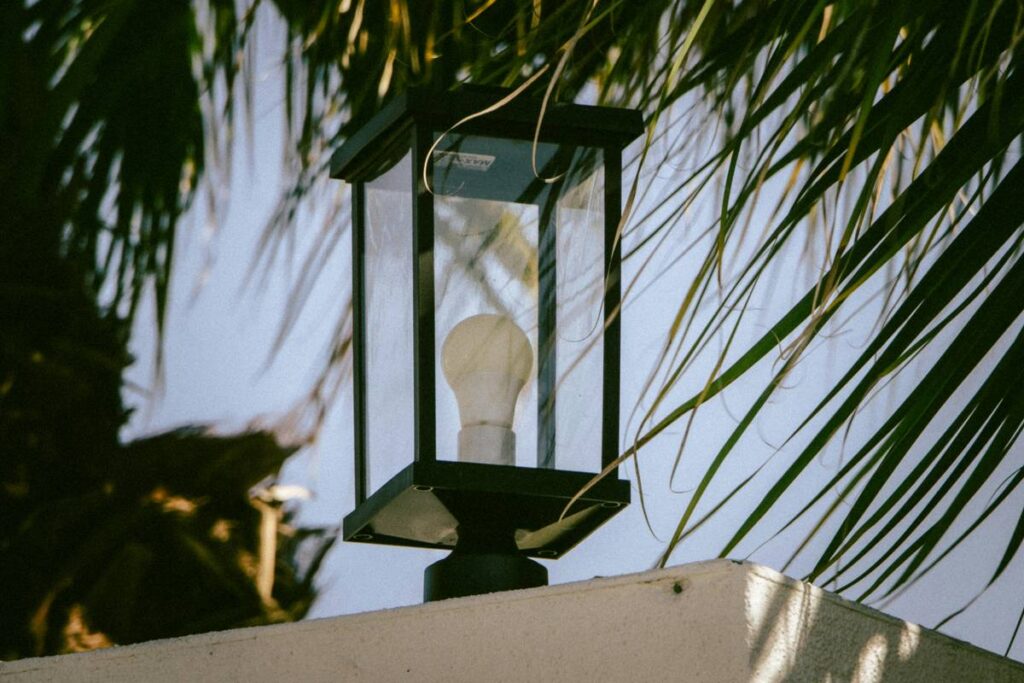
You spend thousands securing your doors and windows—then leave your yard pitch black at night. Thieves love shadows. And most DIY security lighting jobs fail within six months, not from faulty wiring, but because the lights were placed wrong or wired to the wrong circuit. The fix? Precision installation with purpose—not just slapping a motion sensor on the soffit and calling it a day.
Why Most Outdoor Security Light Installations Fail
Homeowners assume “motion-activated” equals “secure.” Not true. If your light floods the driveway but leaves the side gate in darkness, you’ve just highlighted your weakness. Worse—many try to tap into existing porch light circuits that weren’t designed for continuous sensor loads. The result? Tripped breakers. Burned-out fixtures. And zero deterrence when it matters.
And here’s what nobody tells you: voltage drop over long outdoor runs kills LED output before it even reaches the fixture. You think you’re getting 3,000 lumens—you’re actually getting 1,800. Pathetic coverage.
How to Fit Outdoor Security Lights: A Step-by-Step Guide That Actually Works
Forget YouTube hacks. This is field-tested protocol used by licensed electricians in The Woodlands and beyond.
1. Map Your Vulnerability Zones First
Walk your property at night. Note every blind spot—fences, shrubs, garage corners. Install lights where intruders would hide, not where it’s convenient to wire. Prioritize entry points: back doors, basement windows, detached garages.
2. Choose the Right Fixture Type
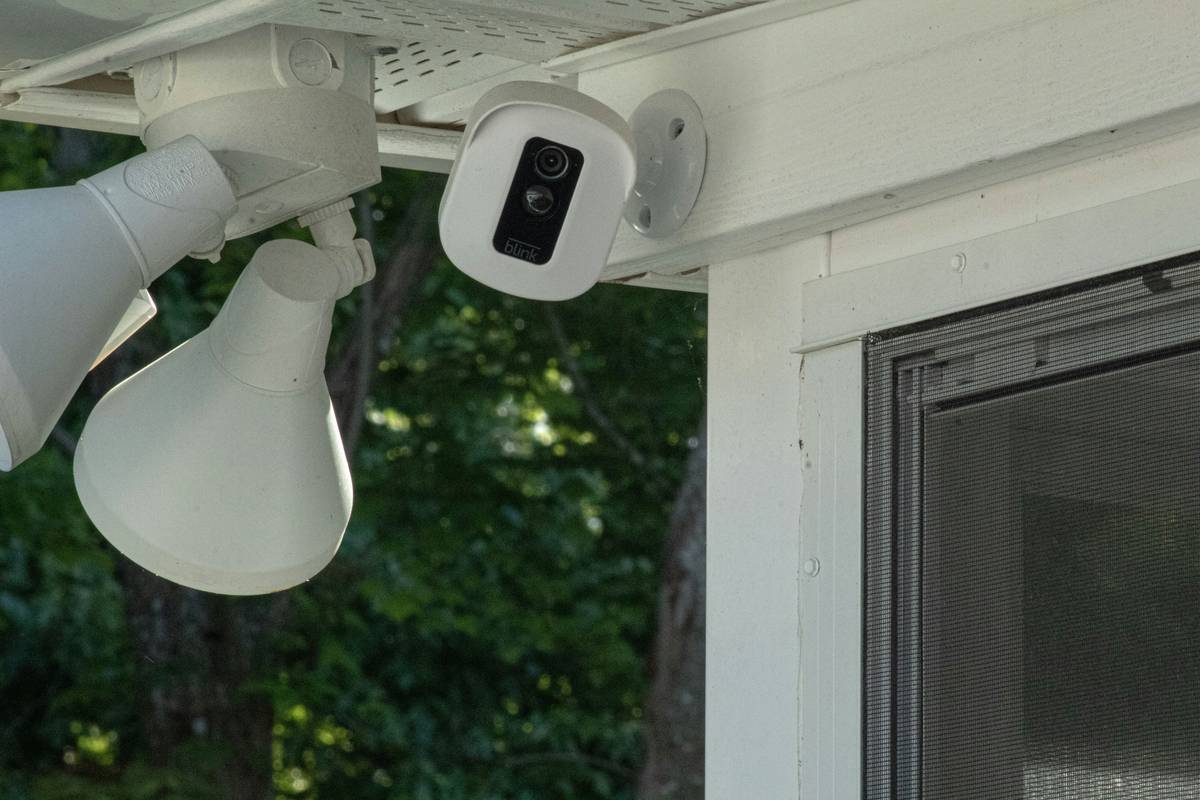
Dual-tech sensors (PIR + microwave) reduce false triggers from swaying trees or passing cars. Look for IP65+ rating—anything less won’t survive Houston humidity. And always go 120V hardwired over battery-powered. Batteries die in winter; reliability dies with them.
3. Run Dedicated Circuits—No Exceptions
Tapping into an existing outdoor outlet or porch light? Stop. These circuits often share loads with refrigerators, AC units, or holiday lights. When those kick on, voltage sags—and your security light dims or resets. Run a new 14/2 UF-B cable from your breaker panel. Label it clearly.
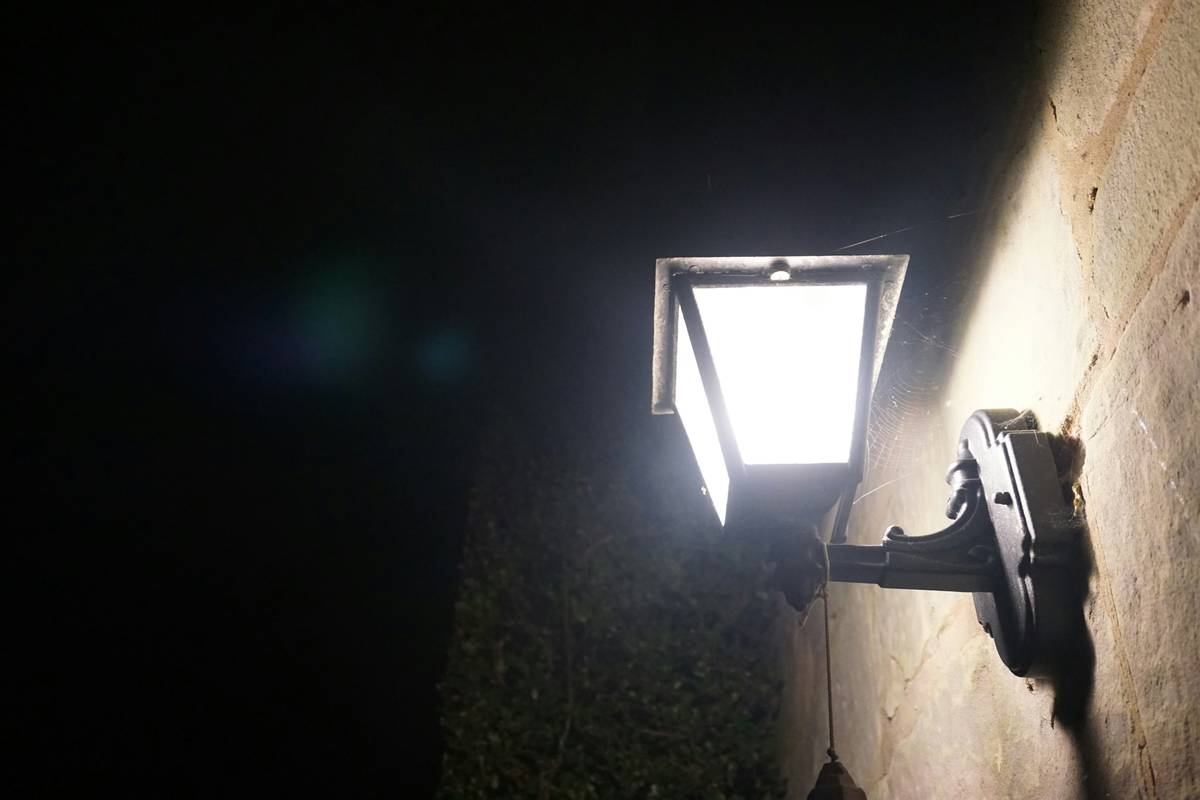
4. Mount at Optimal Height and Angle
Mount fixtures between 8–10 feet high. Higher than that, motion detection weakens. Point the sensor downward at a 15-degree tilt—this covers ground movement without catching headlights from the street. Use adjustable brackets; don’t assume the housing is pre-aligned.
| Installation Method | Average Cost | Reliability Score (1–10) | Best For |
|---|---|---|---|
| Hardwired to Dedicated Circuit | $200–$400 per light (pro install) | 9.5 | Permanent, high-traffic zones (garage, rear door) |
| Solar-Powered with Battery Backup | $60–$120 | 5.0 | Remote fences or sheds with no nearby power |
| Plug-in Motion Lights (into GFCI outlet) | $40–$90 | 3.5 | Temporary setups or renters—avoid for core security |
5. Test and Tune
After installation, walk through each detection zone. Adjust sensitivity dials to ignore small animals but catch human-sized heat signatures. Set dusk-to-dawn override so lights don’t blast at noon during thunderstorms. And log performance weekly for the first month—if it flickers or resets, you’ve got a circuit issue.
The Industry Secret Nobody Talks About
Here’s the reality: the best security lighting doesn’t just illuminate—it disorients. Top-tier systems use staggered warm/cool LEDs (3000K + 5000K) in one fixture. Why? Warm light shows depth and texture; cool light creates harsh contrast. Together, they confuse peripheral vision—making it harder for intruders to judge distance or escape routes. Most big-box stores don’t carry these. You need commercial-grade fixtures. Yes, they cost more. But ask yourself: do you want to be seen—or make someone regret stepping onto your property?
Frequently Asked Questions
Do I need an electrician to install outdoor security lights?
Legally, in Texas, any hardwired 120V fixture requires a licensed electrician for permit compliance—especially if running new conduit or modifying your panel. DIY on low-voltage only.
How high should outdoor security lights be mounted?
Ideal height is 8 to 10 feet. Lower than 7 feet invites tampering; higher than 12 reduces motion sensor effectiveness and creates uneven light pools.
Can outdoor security lights work in heavy rain or snow?
If rated IP65 or higher—yes. That means full dust resistance and protection against low-pressure water jets. Avoid anything labeled “weather-resistant” without an IP number; it’s marketing fluff.